Table of Contents
The GreenOS Manual is built on a simple idea: most people want to live greener, but they don’t know where the “Start” button is. Sustainability feels big, abstract, and overwhelming—yet the truth is that everyday green living begins with a handful of small, practical shifts that create momentum. This guide lays out a foundation you can build in a single weekend, blending low‑waste habits, mindful consumption, and efficiency upgrades that make your home and lifestyle cleaner, lighter, and more resilient.
This is sustainability without perfectionism. It’s a blueprint for people who want to reduce waste, cut energy use, and make smarter choices—while also preparing for a future shaped by clean power, durable products, and regenerative design. The GreenOS Manual is your starting point.
Everyday Green: A Practical Framework for Real Life
Living sustainably isn’t about overhauling your entire lifestyle. It’s about stacking small wins that add up. Everyday green living is grounded in three principles:
- Awareness — understanding what you use, what you waste, and what you can improve
- Efficiency — reducing energy, time, and resource loss
- Longevity — choosing products and habits that last
These principles form the backbone of the GreenOS Manual, guiding you toward a lifestyle that’s lighter on the planet and easier on your wallet.
The Low‑Waste Audit: Seeing Your Trash as a Data Point
Most people never look at their trash long enough to learn from it. But your waste stream is a real‑time snapshot of your habits—what you buy, what you forget, what you overuse, and what you can change.
How to Do a Simple Low‑Waste Audit
Set aside 10 minutes and look at your trash and recycling from the past week. You’re not judging yourself—you’re gathering data.
Look for patterns such as:
- Single‑use plastics (bottles, wrappers, takeout containers)
- Food waste (produce, leftovers, expired items)
- Packaging overload (boxes, filler, plastic film)
- Disposable household items (paper towels, wipes, razors)
Once you see the patterns, you can target them with simple swaps:
- A reusable bottle replaces dozens of plastic ones
- A produce‑first meal plan cuts food waste
- Bulk goods reduce packaging
- Microfiber cloths replace paper towels
This is the heart of everyday sustainability: small, visible changes that reduce waste immediately.
Efficiency First: Simple Home Wins That Pay Off
Energy efficiency is the fastest way to reduce your environmental footprint—and your utility bill. You don’t need solar panels or a full home retrofit to make meaningful progress. Start with the low‑cost, high‑impact upgrades that deliver immediate returns.
Insulation and Draft Control
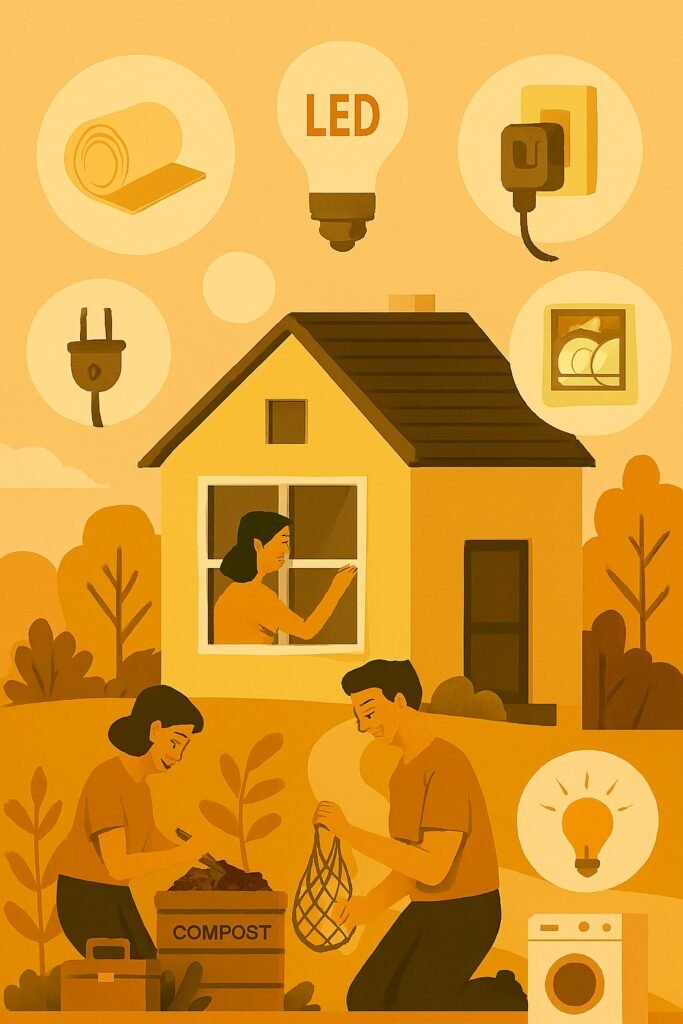
Air leaks are silent energy thieves. A single afternoon with weatherstripping, door sweeps, and outlet gaskets can dramatically reduce heat loss. These upgrades are inexpensive, fast, and effective.
Smarter Lighting
LED bulbs use a fraction of the energy of incandescents and last years longer. Pair them with smart plugs or timers to eliminate wasted electricity.
Habit‑Based Efficiency
Some of the biggest wins come from behavior, not hardware:
- Wash clothes in cold water
- Run full loads in the dishwasher
- Unplug idle electronics
- Use natural light during the day
- Keep vents clear for better airflow
These habits cost nothing and compound over time.
The Mindful Consumer: A Checklist for Buying Things That Last
Sustainable living isn’t just about using less—it’s about buying better. The GreenOS Manual encourages a shift from impulse purchases to intentional ones, reducing waste and saving money.
The Mindful Consumer Checklist
Before buying anything new, ask:
- Will this last at least five years?
- Can it be repaired, sharpened, refilled, or upgraded?
- Is there a version made from durable or recycled materials?
- Does it replace something disposable?
- Will I still want this in six months?
This checklist helps you avoid low‑quality products that break quickly and end up in landfills. It also nudges you toward brands that prioritize longevity, repairability, and responsible manufacturing.
Why Longevity Matters
Every durable product you buy reduces the need for extraction, manufacturing, shipping, and disposal. It’s a quiet but powerful form of climate action—one that fits seamlessly into everyday life.
Weekend Wins: 3–5 Actions You Can Complete in Two Days
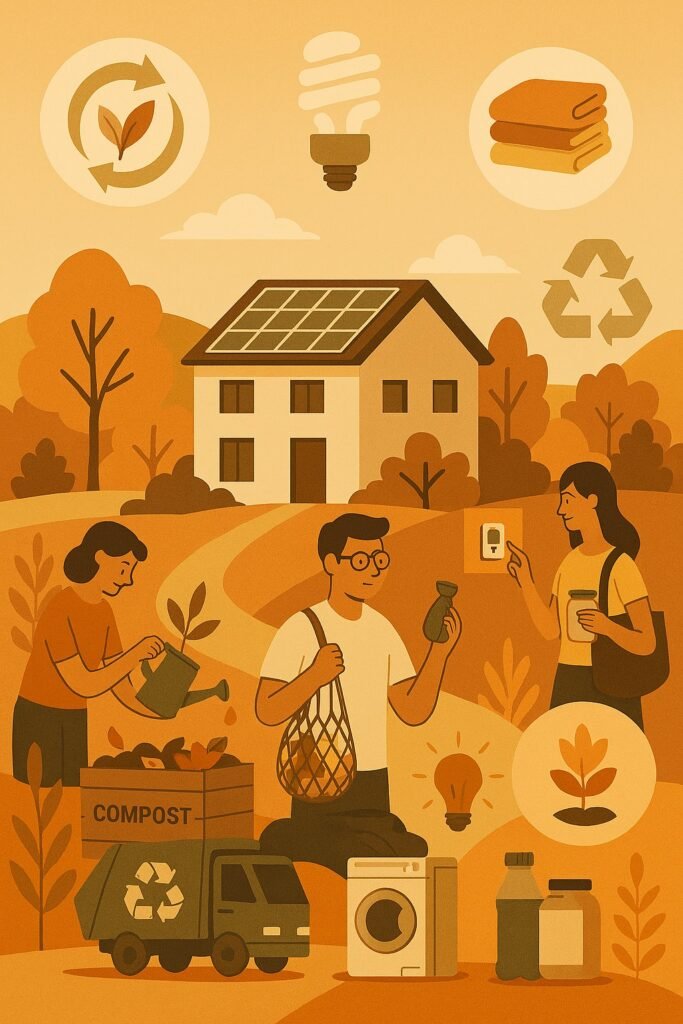
The GreenOS Manual is designed to be actionable. Here are five high‑impact steps you can complete in a single weekend:
1. Conduct a Low‑Waste Audit
Identify your top three waste categories and choose one swap for each.
2. Install LED Bulbs Throughout Your Home
A fast, measurable energy reduction that pays for itself.
3. Seal Drafts Around Doors and Windows
Weatherstripping takes minutes and saves energy year‑round.
4. Create a “Mindful Consumer” List
Write down items you frequently replace and explore durable alternatives.
5. Set Up a Simple Recycling or Compost Station
Make it easy to sort materials and reduce landfill waste.
These steps build momentum. Once you see progress, you naturally want to keep going.
Frequently Asked Questions
What is the GreenOS Manual?
The GreenOS Manual is a practical framework for everyday sustainable living, focused on small, high‑impact actions anyone can take.
How do I start living more sustainably without feeling overwhelmed?
Begin with one or two simple changes—like reducing waste or improving home efficiency—and build from there.
What are the easiest sustainability upgrades I can make at home?
LED lighting, draft sealing, and habit‑based energy savings are fast, affordable, and effective.
How does a low‑waste audit help me live greener?
It reveals patterns in your consumption so you can target the biggest sources of waste with simple, strategic swaps.
Why is mindful consumption important for sustainability?
Buying durable, repairable products reduces waste, saves money, and supports a more resilient, circular economy.

 GreenOS.org | SYSTEMS & ENERGY
The System: Understanding the New Infrastructure
The Grid, The Road, and The Region: Understanding the New Infrastructure Powering a Sustainable Future We don’t just live in houses; we live in systems. Power grids, transit networks, water loops, waste streams, and digital...
Final Thoughts
The GreenOS Manual is more than a guide—it’s a foundation for a lifestyle that blends practicality with possibility. Everyday green living doesn’t require perfection or expensive upgrades. It begins with awareness, small wins, and a willingness to rethink the way you use energy, materials, and products. These choices ripple outward, shaping a future where sustainability is not a burden but a pathway to a better‑built world.