Table of Contents
The Lab: Inside the Visionary “What‑If” — How Future Prototyping Shapes Sustainable Innovation
Innovation starts with imagination. Every breakthrough—every cleaner grid, every smarter product, every beautifully efficient system—begins as a quiet “what‑if” whispered in someone’s mind. What if energy were abundant? What if waste became fuel? What if sustainable design felt effortless?
At GreenOS, The Lab is where those questions live. It’s the creative workshop where we explore the artifacts of a world where sustainability is solved—not as fantasy, but as a blueprint. This is where pragmatic vision meets design thinking, where constraints become catalysts, and where the future becomes something we can prototype, test, and eventually build.
Why the Visionary “What‑If” Matters
The visionary “what‑if” is not escapism. It’s a tool. It’s the mental lab where we rehearse the future before committing resources, materials, or time. Every major shift in infrastructure, mobility, energy, and product design begins with someone daring to imagine a world that works differently.
The “what‑if” mindset is especially powerful in sustainability because the problems are systemic, and systemic problems require systemic imagination. When we ask better questions, we build better systems.
Design Constraints: How Nature‑First Design Leads to Better Products
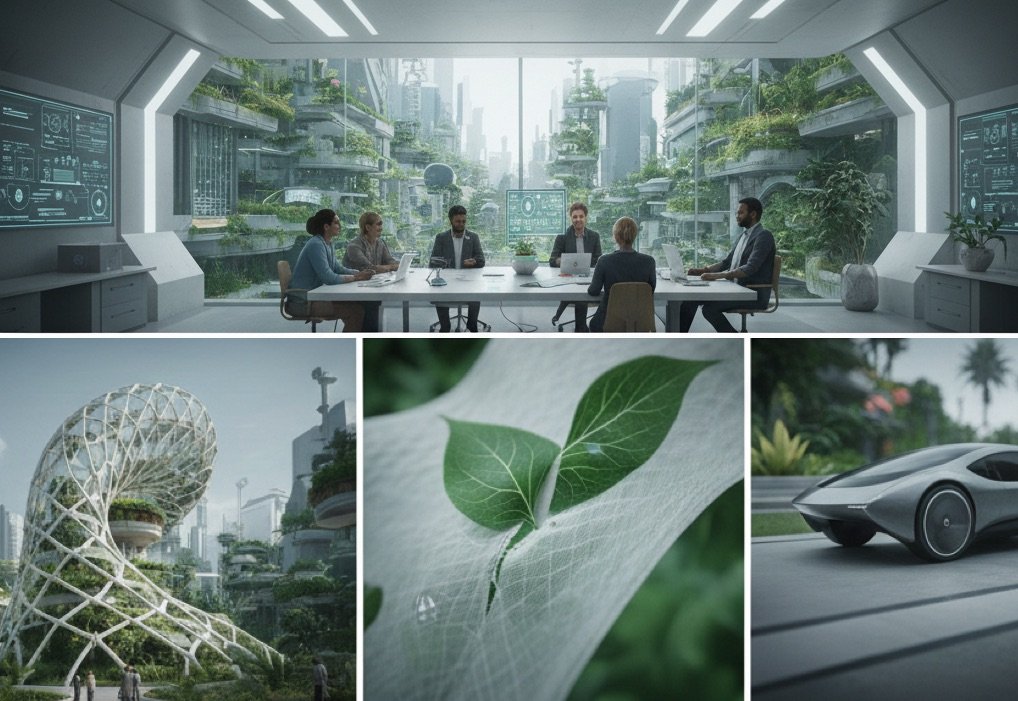
Nature is the original engineer. Every ecosystem is a masterclass in efficiency, circularity, and resilience. When we design with nature as the constraint—not an afterthought—we unlock a different kind of creativity.
Constraint as Catalyst
In The Lab, constraints aren’t limits; they’re launchpads. When we ask:
- What if this product had to be repairable?
- What if it had to be powered by clean energy?
- What if it had to last 20 years?
- What if it had to return safely to the earth?
—we force ourselves into smarter, more elegant solutions.
Biomimicry as a Design Language
Nature‑first design often leads to:
- Lightweight structures inspired by shells and bones
- Self‑healing materials modeled after plants
- Modular systems that grow and adapt
- Energy‑efficient forms shaped by aerodynamics and thermodynamics
These aren’t sci‑fi concepts. They’re already influencing architecture, packaging, mobility, and consumer products.
The Nature‑Aligned Product
A nature‑aligned product is:
- Durable
- Repairable
- Energy‑efficient
- Circular
- Intuitive
It’s the opposite of disposable culture. It’s the beginning of a new design era where sustainability is not a feature—it’s the foundation.
The Digital Layer: Why We Need Sustain‑Tech and Better UX for Green Living
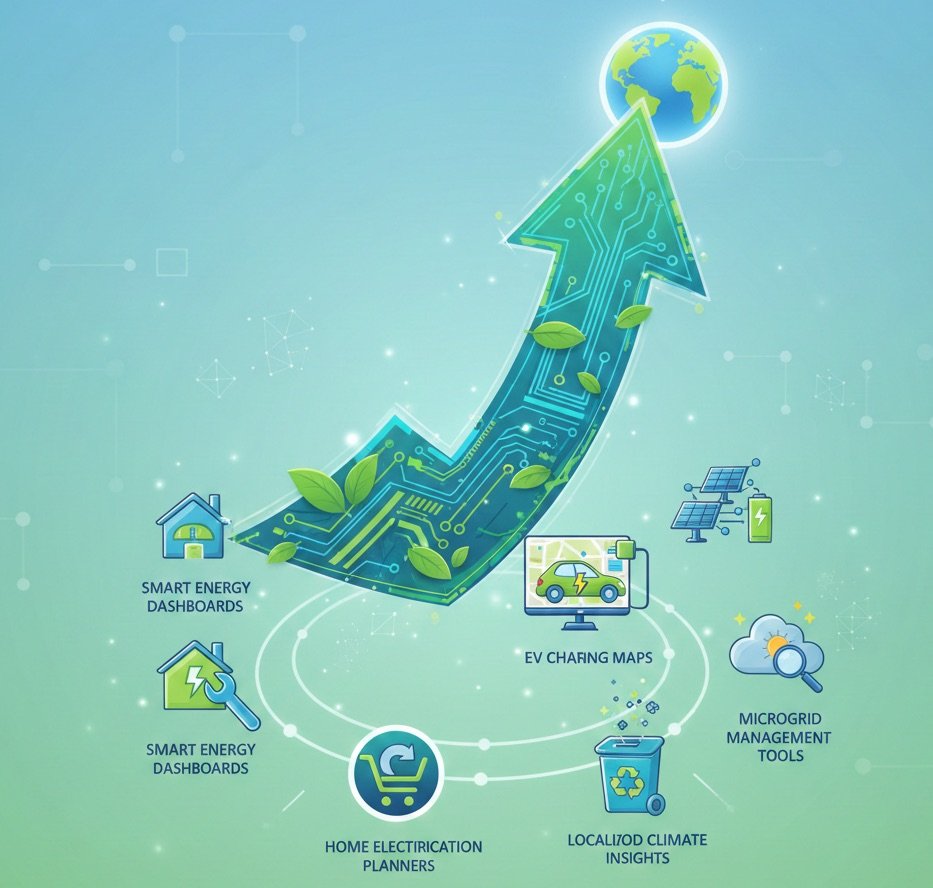
Sustainability isn’t just physical—it’s digital. The new infrastructure depends on software as much as hardware. Clean energy systems, circular loops, and future mobility networks all require intuitive digital layers that help people make better choices without friction.
The Rise of Sustain‑Tech
Sustain‑tech is the emerging category of tools that make sustainable living easier, such as:
- Smart energy dashboards
- Home electrification planners
- EV charging maps
- Circular marketplace apps
- Localized climate insights
- Waste‑sorting assistants
- Microgrid management tools
These tools turn complex systems into simple actions.
UX as a Sustainability Accelerator
Good UX reduces cognitive load. It makes the sustainable choice the default choice. When interfaces are clear, friendly, and human‑centered, people participate more fully in the new infrastructure.
Imagine:
- A thermostat that explains energy impact in plain language
- A transit app that shows carbon savings alongside travel time
- A shopping interface that highlights repairable products
- A home dashboard that visualizes your personal energy loop
These aren’t just conveniences—they’re catalysts for behavior change.
The Digital‑Physical Fusion
The future of sustainability is hybrid. Products will come with digital twins. Homes will have energy intelligence. Cities will have real‑time environmental feedback loops. The digital layer is the connective tissue that makes the new infrastructure visible, understandable, and actionable.
From Concept to Reality: How “Crazy Ideas” Become the New Standard
Every major innovation begins as a “crazy idea.” Electric cars. Solar roofs. Induction cooking. Heat pumps. Microgrids. All of these were once fringe concepts. Today, they’re becoming mainstream.
The Innovation Curve
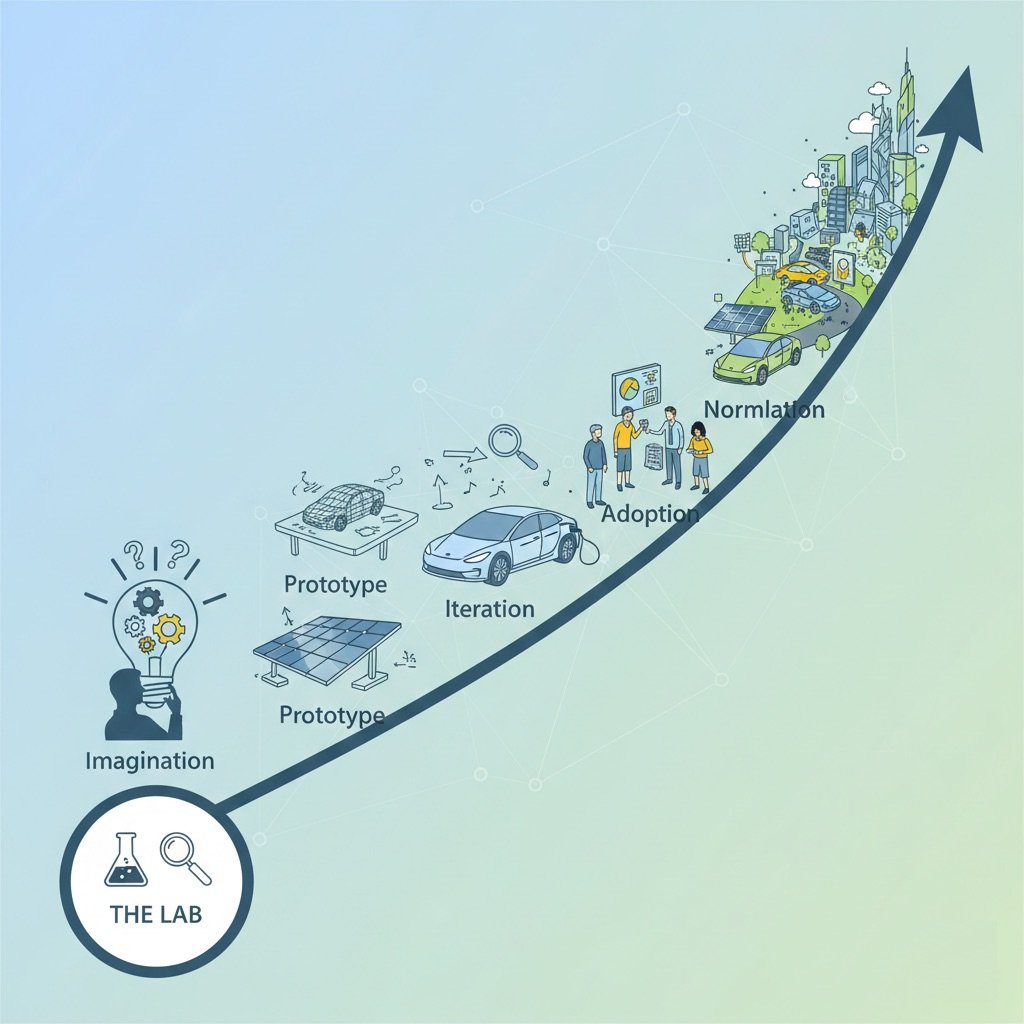
The journey from “what‑if” to “of course” follows a familiar pattern:
- Imagination — Someone asks a bold question.
- Prototype — A rough version proves the idea is possible.
- Iteration — Designers refine, simplify, and improve.
- Adoption — Early users validate the concept.
- Normalization — The idea becomes the new standard.
The Lab exists in the first two stages—where imagination meets experimentation.
Why Visionaries Matter
Visionaries aren’t fortune‑tellers. They’re pattern‑readers. They see where technology, culture, and sustainability are heading, and they build bridges toward that future.
A visionary “what‑if” is not a prediction. It’s an invitation.
Examples of Today’s “Crazy Ideas” That Will Become Tomorrow’s Norm
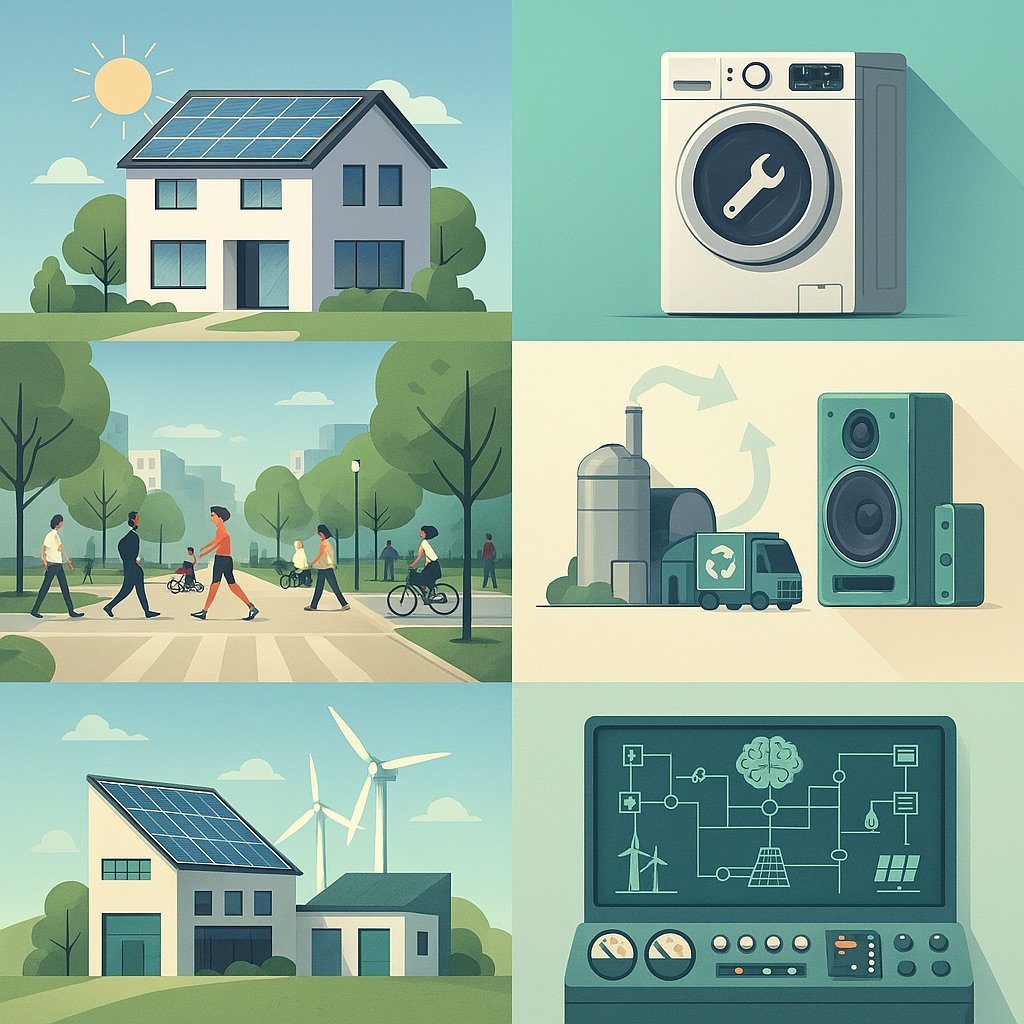
- Homes that generate more energy than they use
- Appliances that repair themselves
- Regional waste‑to‑energy loops
- Streets designed for people, not cars
- AI‑optimized microgrids
- Modular, upgradable consumer products
- Local manufacturing powered by clean energy
These ideas are not distant. They’re emerging right now.
The Lab as a Mindset
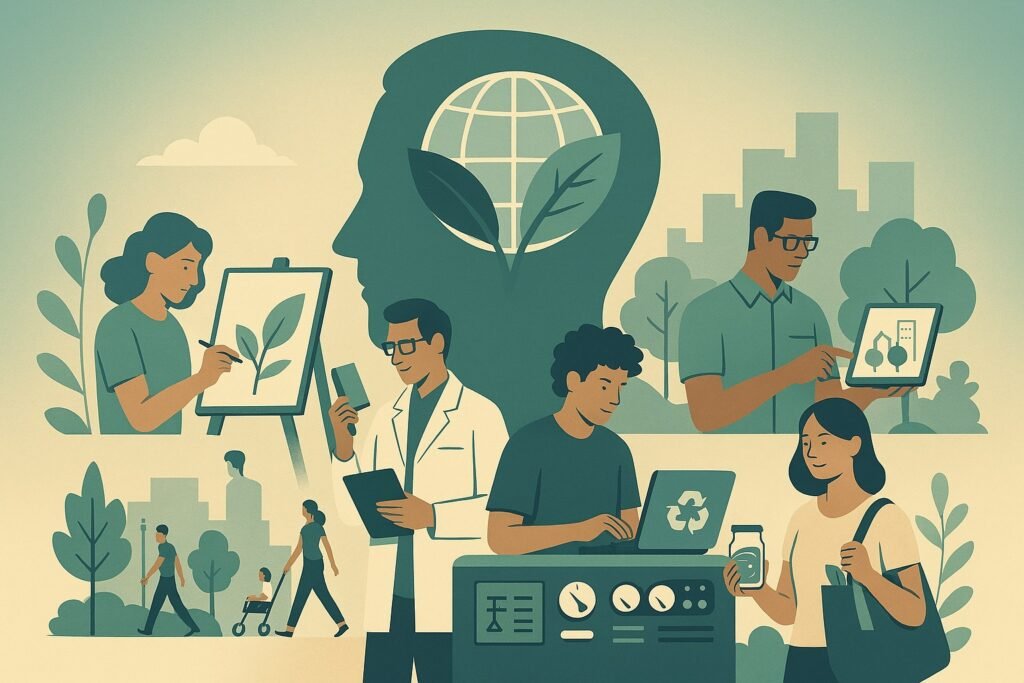
The Lab isn’t a physical space—it’s a way of thinking. It’s the willingness to imagine a world where sustainability is solved and then reverse‑engineer the steps to get there.
It’s where:
- Designers explore nature‑aligned constraints
- Engineers test new materials
- Coders build sustain‑tech tools
- Urban planners rethink mobility
- Everyday people experiment with low‑waste habits
The Lab is the bridge between today’s limitations and tomorrow’s possibilities.
Frequently Asked Questions
What is a visionary “what‑if”?
It’s a creative question that imagines a better future and helps guide innovation toward sustainable solutions.
Why are design constraints important in sustainability?
Constraints force designers to prioritize durability, efficiency, and circularity, leading to smarter, more resilient products.
What is sustain‑tech?
Sustain‑tech refers to digital tools and platforms that make sustainable living easier through better data, automation, and user experience.
How do “crazy ideas” become mainstream?
They start as prototypes, gain early adopters, and eventually become normalized as technology improves and costs drop.
How can individuals use the Lab mindset?
By asking better “what‑if” questions, experimenting with small sustainable habits, and staying open to new tools and systems.
 GreenOS.org | SYSTEMS & ENERGY
Current Energy Dependence: The Diversification Playbook of Global Major Users
Energy is the backbone of every modern economy, and the world’s largest energy users are rewriting their strategies in real time. What was once a race for supply is now a race for resilience, diversification,...
Final Thoughts
The future isn’t something that happens to us—it’s something we build. The visionary “what‑if” is the spark that ignites that process. When we imagine boldly, design with nature, embrace sustain‑tech, and prototype without fear, we create the conditions for a cleaner, more resilient world.
The Lab is where possibility becomes practice. It’s where we learn that sustainability isn’t a limitation—it’s a platform for human progress. And when we treat the future as a place worth building, we step into it with confidence, creativity, and purpose.