Table of Contents
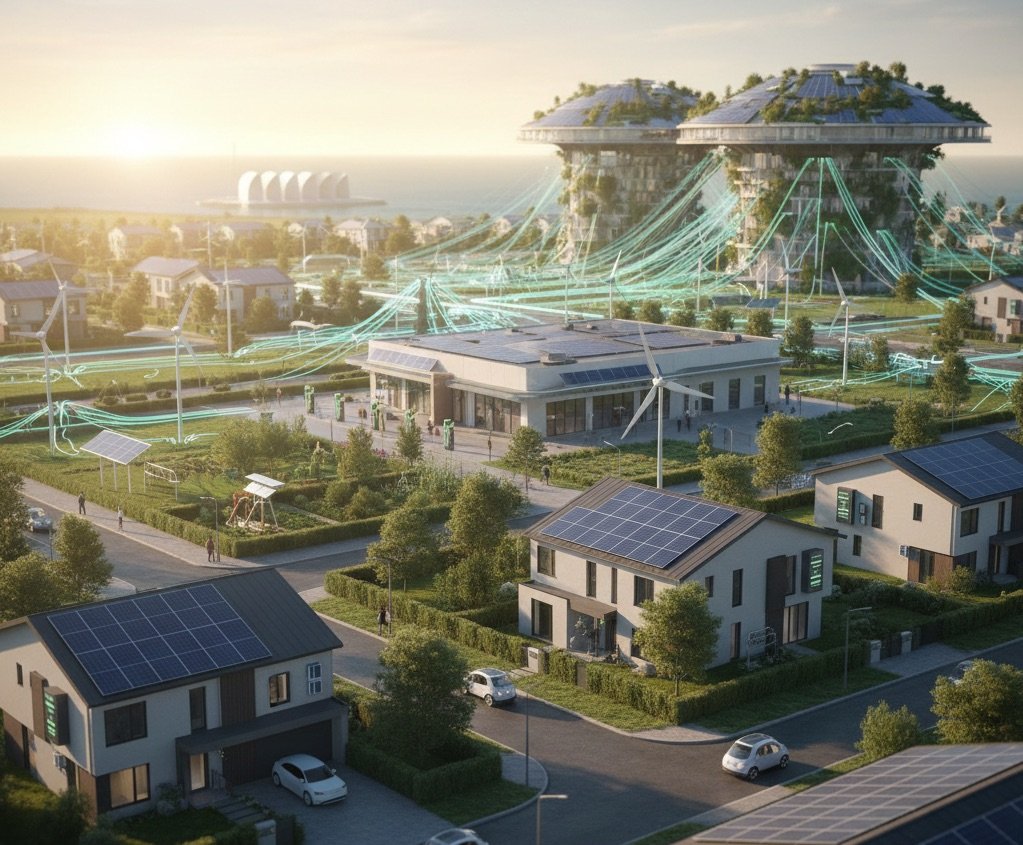
The centralized power grid—once the backbone of industrial progress—is being reimagined. As climate urgency, digital innovation, and energy sovereignty converge, a new model is emerging: decentralized energy systems. These systems are flexible, resilient, and locally empowered, offering a roadmap toward a cleaner, more equitable energy future.
Why Decentralization Matters
Traditional grids rely on large, centralized power plants transmitting electricity over vast distances. This model is:
- Vulnerable to outages and bottlenecks
- Inefficient in energy transmission
- Slow to adapt to local needs
Decentralized energy flips the script. It brings generation closer to consumption, enabling:
- Local control and energy independence
- Reduced transmission losses
- Faster integration of renewables
Key Drivers of the New Grid
Renewable Energy Expansion
Solar panels, wind turbines, and micro-hydro systems are increasingly deployed at the community and household level. These distributed energy resources (DERs) reduce reliance on fossil fuels and empower users to become producers.
Energy Storage Breakthroughs
Battery technology—especially lithium-ion and emerging solid-state systems—makes it possible to store excess energy and release it when needed. This smooths out variability and supports grid stability.
Digitalization and Smart Grids
AI, IoT, and blockchain are transforming energy management. Smart meters, predictive analytics, and decentralized ledgers allow for:
- Real-time energy tracking
- Peer-to-peer energy trading
- Automated demand response
Climate Resilience
Localized grids are better equipped to handle extreme weather events. Microgrids can island themselves from the main grid during disruptions, maintaining power for critical services.
Components of a Decentralized Energy System
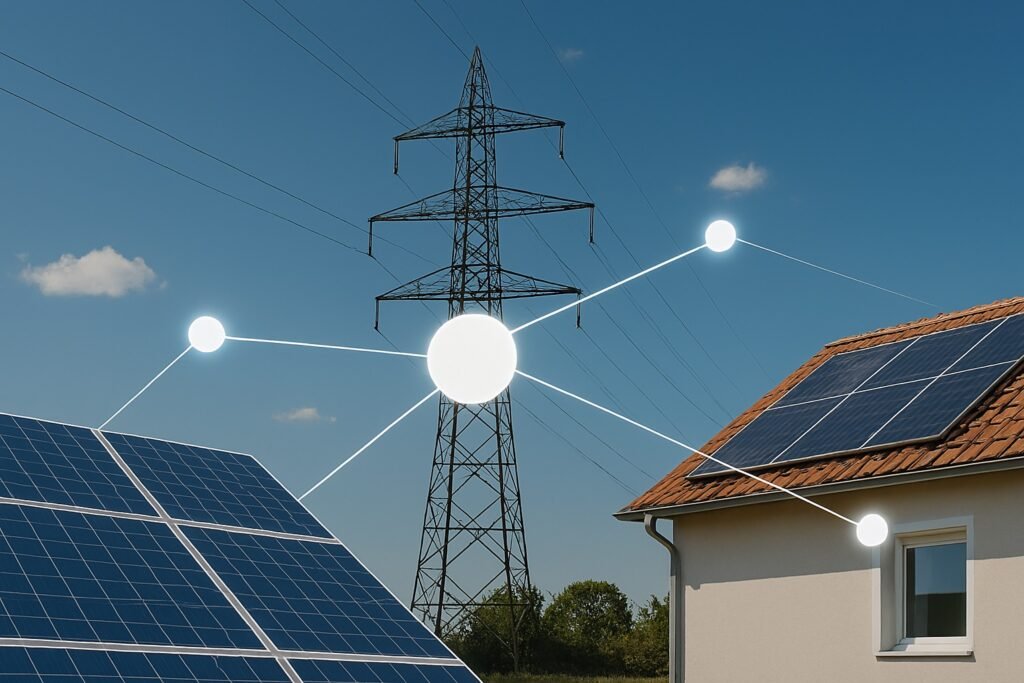
Microgrids
Self-contained energy systems that serve a specific area—like a neighborhood, campus, or industrial park. They can operate independently or connect to the larger grid.
Virtual Power Plants (VPPs)
Aggregated networks of DERs coordinated through software. VPPs behave like traditional power plants but are composed of thousands of small contributors.
Community Solar and Wind
Shared renewable installations that allow multiple households to benefit from clean energy without installing their own systems.
Smart Inverters and Controllers
Devices that manage energy flow, optimize usage, and ensure compatibility between different sources and loads.
Benefits of the New Grid
- Resilience: Local systems can continue operating during grid failures.
- Efficiency: Energy is generated and consumed closer together.
- Equity: Communities gain control over their energy sources and costs.
- Innovation: New business models emerge, from energy-as-a-service to local energy cooperatives.
Challenges to Overcome
- Interoperability: Ensuring different systems and devices work together seamlessly.
- Regulatory Barriers: Updating policies to support decentralized models.
- Cybersecurity: Protecting digital infrastructure from threats.
- Financing: Making decentralized systems accessible to all income levels.
Visionary Roadmaps for the Future
We envision a future where energy is:
- Abundant: Powered by renewables and stored efficiently.
- Accessible: Available to every household, regardless of geography or income.
- Adaptive: Responsive to real-time needs and environmental conditions.
- Autonomous: Managed locally with smart tools and community governance.
This future is not hypothetical—it’s being built today in pilot projects, regional initiatives, and forward-thinking cities.
Frequently Asked Questions
What is a decentralized energy grid?
It’s a system where energy is generated, stored, and managed locally rather than through centralized power plants.
How does decentralization improve resilience?
Local systems can operate independently during outages, reducing downtime and supporting critical services.
Can individuals participate in the new grid?
Yes—through rooftop solar, battery storage, smart appliances, and community energy programs.
What role does AI play in decentralized energy?
AI optimizes energy flow, predicts demand, and enables automated responses to grid conditions.
Is decentralized energy more sustainable?
Absolutely. It supports renewable integration, reduces transmission losses, and empowers local climate action.

 GreenOS.org | MINDFUL CONSUMPTION
Beyond the Label: The Art of Intentional Purchasing
Every dollar spent is a vote for the kind of future we want to build. Mindful consumption moves us away from impulsive "green" shopping toward a philosophy of durability, repairability, and ethical transparency, helping us...
Final Thoughts
The new grid is more than a technical upgrade—it’s a paradigm shift. It decentralizes power in every sense of the word, giving individuals, communities, and regions the tools to shape their energy destiny. As we move toward a cleaner, smarter, and more resilient future, decentralization isn’t just an option—it’s the foundation.
GreenOS.org champions this transition, offering guides, insights, and visionary frameworks to help you navigate and contribute to the energy systems of tomorrow. The grid is changing. Let’s build it better.