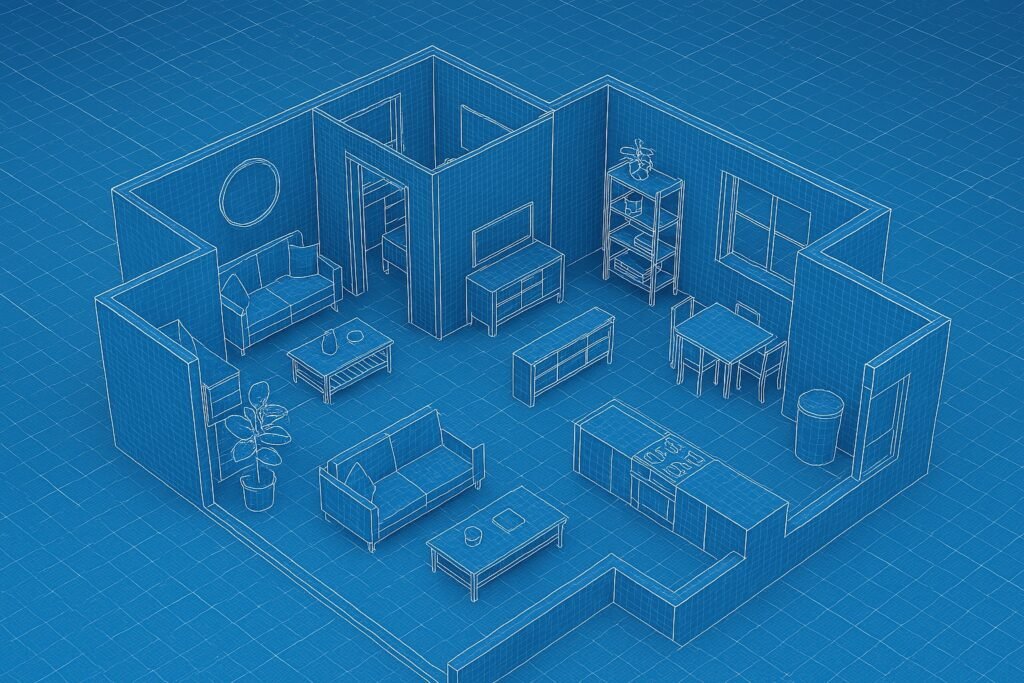
Table of Contents
Creating an efficient sanctuary isn’t about shrinking your life into a minimalist box or transforming your home into a hyper‑engineered machine. It’s about designing a living space that supports your well‑being, reduces waste, and aligns with the way you actually move through your day. When you optimize your home, you’re not just organizing objects—you’re shaping energy flow, comfort, and long‑term sustainability.
This is where practical green living meets visionary design. Every room becomes a system, every habit becomes a micro‑infrastructure choice, and every square foot becomes an opportunity to build a life that feels lighter, calmer, and more intentional.
Below is an exploration of how to turn your home into an efficient sanctuary—one that works with you, not against you.
Why an Efficient Sanctuary Matters
Efficiency isn’t about austerity. It’s about comfort, ease, and sustainability working together. When your home is optimized:
- You use less energy without sacrificing comfort
- You reduce clutter and decision fatigue
- You create smoother daily routines
- You free up space—physically and mentally—for creativity
- You lower your environmental footprint in ways that feel natural
This is the sweet spot between minimalism and hoarding: a home where everything has a purpose, and every space supports your life instead of draining it.
How Much Space Do You Really Need?
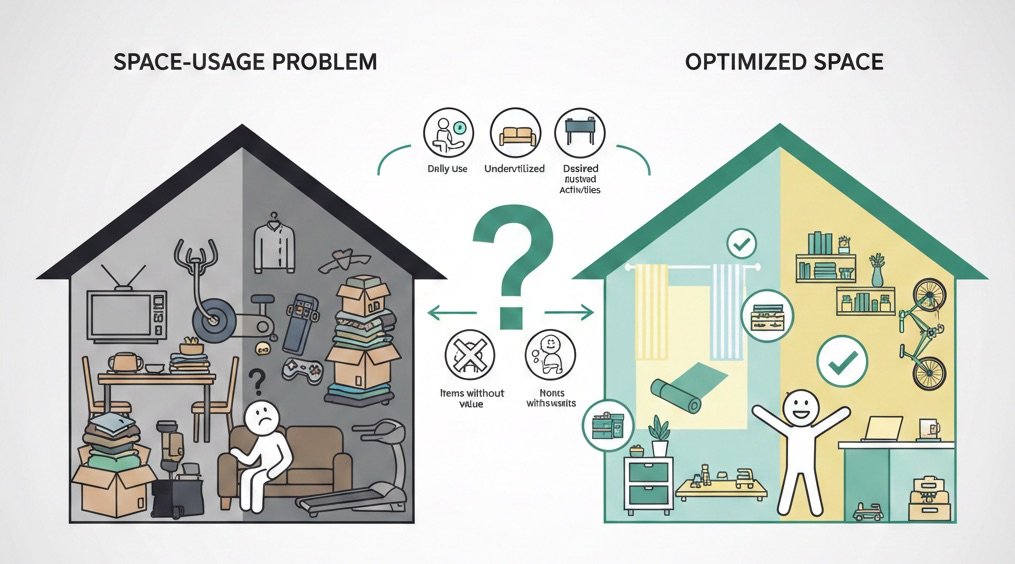
Most people don’t have a square footage problem—they have a space‑usage problem. A 1,200‑square‑foot home can feel expansive if it’s optimized, while a 2,500‑square‑foot home can feel cramped if it’s mismanaged.
Ask yourself:
- Which rooms do I actually use daily?
- Which spaces are underutilized or misused?
- What activities do I wish I had space for?
- What items are taking up space without adding value?
Unused rooms, forgotten corners, and cluttered surfaces represent lost potential. When you reclaim them, you expand your home without adding a single square foot.
Optimizing Energy and Flow in Every Room
Your home is a living system. Each room has its own energy profile, temperature needs, and functional purpose. When you optimize each space, you reduce waste and increase comfort.
The Kitchen: The Workhorse of the Home
A sustainable kitchen isn’t just about efficient appliances—it’s about smart workflow.
Tools That Reduce Energy and Time
- Instant Pot or similar multi‑cookers: Perfect for yogurt, beans, grains, and slow cooking without heating the whole kitchen.
- Vitamix or high‑powered blender: A single tool that replaces multiple appliances and supports a whole‑food lifestyle.
- Electric kettles: Faster and more efficient than boiling water on a stove.
Layout That Supports Movement
- Keep daily‑use items within arm’s reach.
- Store heavy items at waist height to reduce strain.
- Use vertical space for shelves, hooks, and magnetic strips.
An efficient kitchen is one where you can prepare a meal without walking a marathon or heating a giant oven for a single potato.
The Bedroom: A Restorative Micro‑Sanctuary
Your bedroom should be the calmest, most functional space in your home.
Optimize for Comfort and Reach
- Keep essentials—water, books, chargers, sleep aids—within arm’s reach.
- Add custom shelves or soft‑pocket organizers near the bed.
- Use blackout curtains or thermal shades to regulate temperature.
Energy Efficiency in Sleep Spaces
- Use LED bedside lighting with warm tones.
- Consider ceiling fans or low‑energy air circulators.
- In cold climates, use layered bedding instead of cranking the heat.
A well‑designed bedroom supports deep rest, which is the foundation of sustainable living.
The Living Room: A Flexible, Multi‑Purpose Hub
This is where comfort meets adaptability.
Design for Flow
- Arrange furniture to support natural walking paths.
- Use modular seating that can shift between lounging, hosting, and working.
- Keep surfaces clear to reduce visual clutter and mental load.
Energy‑Smart Choices
- Use task lighting instead of overhead lighting when possible.
- Add plants that improve air quality and regulate humidity.
- Choose window treatments that help manage heat gain or loss.
A living room should feel open, breathable, and ready for whatever your day brings.
Utility Rooms, Hallways, and “Forgotten Spaces”
These areas often become dumping grounds, but they can be powerful efficiency boosters.
Laundry Room
- Use drying racks or retractable lines to reduce dryer use.
- Store detergents in easy‑to‑reach containers.
- Add shelves for sorting and folding to streamline the process.
Hallways
- Add slim storage for shoes, coats, or cleaning tools.
- Use motion‑sensor LED lights to reduce energy waste.
Basement or Garage
- Create zones: tools, storage, seasonal items, hobbies.
- Use clear bins and labels to reduce searching and duplicate purchases.
- Consider vermiculture or composting setups if the climate allows.
Solarium, Deck, or Outdoor Spaces
- Grow herbs or greens in small planters.
- Use solar lighting for pathways or seating areas.
- Create a shaded zone for hot climates or windbreaks for cold ones.
Every square foot can serve a purpose when you design with intention.
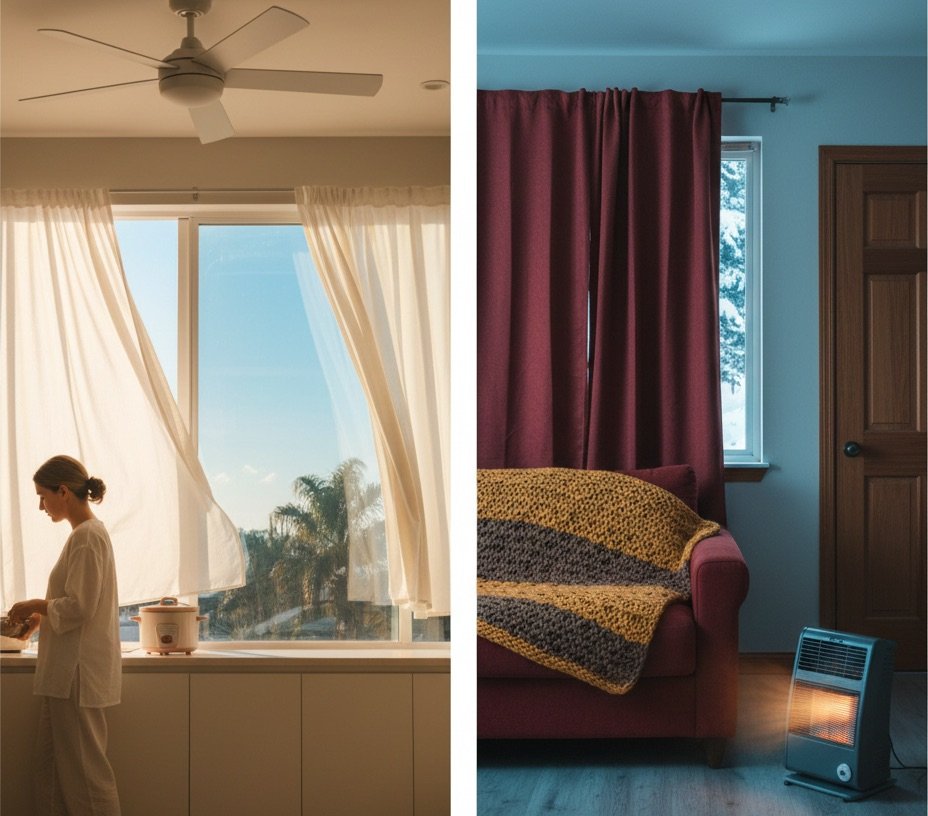
Climate Matters: Hot vs. Cold Regions
Your optimization strategy shifts depending on where you live.
Hot Climates
- Prioritize airflow and shading.
- Use light‑colored fabrics and reflective window films.
- Reduce appliance heat by cooking with small devices.
Cold Climates
- Focus on insulation and draft control.
- Use layered textiles and thermal curtains.
- Keep frequently used rooms warmer and close off unused spaces.
Regardless of climate, the goal is the same: comfort with minimal energy waste.
Vehicles as Part of Your Living System
Your car, van, or truck is an extension of your home’s efficiency ecosystem.
- Keep essential tools and emergency supplies organized.
- Use modular storage for groceries or gear.
- Maintain tire pressure and engine health to reduce fuel waste.
- In hot climates, use windshield shades; in cold climates, use block heaters.
A well‑organized vehicle reduces stress and supports a smoother daily rhythm.
The Philosophy Behind an Efficient Sanctuary
At its core, optimizing your living space is about respect—for your time, your energy, your environment, and your future self.
When you design your home as a sanctuary:
- You reduce friction in daily life
- You create space for creativity and rest
- You lower your environmental impact
- You build resilience into your routines
- You prepare for a future where sustainable living is the norm
This is the GreenOS mindset: small, accessible choices today build the foundation for a more abundant, energy‑smart world tomorrow.
Frequently Asked Questions
How do I start optimizing my home without feeling overwhelmed?
Begin with one room or even one drawer. Small wins build momentum and help you understand your natural flow.
What’s the most important room to optimize first?
The kitchen or bedroom—spaces that directly affect your energy, health, and daily rhythm.
How do I balance minimalism with comfort?
Keep what supports your life and remove what distracts from it. Efficiency isn’t about owning less—it’s about owning what works.
Does optimizing my home really save energy?
Yes. Better layouts, efficient appliances, and smarter habits reduce both energy use and utility costs.
How do I make small spaces feel bigger?
Use vertical storage, reduce visual clutter, and design zones for specific activities to maximize flow.

 GreenOS.org | ROADMAPS
Welcome to GreenOS: The Operating System for a Sustainable Future
The world is on the brink of a major transformation—one that will redefine how we generate, consume, and think about energy. GreenOS is here.
Final Thoughts
An efficient sanctuary isn’t built overnight—it evolves as your life evolves. But every step you take toward optimizing your living space strengthens your comfort, reduces waste, and prepares you for a future where sustainable living is woven into daily life.
Your home becomes more than a shelter. It becomes a system—a personal ecosystem—designed to support your well‑being, your creativity, and your vision for a greener, more resilient world.